Many provide pollination services, especially for fruit, some vegetable and forage crops
Many destroy pest species, such as ladybird beetles eating aphids
Some produce products such as honey, dyes, and shellac
Some are edible and are used as food in many parts of the world
Many act as garbage collectors, destroying old wood, manure and plant waste
Some are used for evidence in crimes
Most are important in terrestrial and freshwater ecosystems (crustaceans in the ocean) and serve as both a basis for the food chain and either primary (herbivorous) or secondary (carnivorous) consumers
Many fish and song birds, as well as reptiles rely on them for food
Their shapes, biology and behavior are fascinating
Their colors and patterns have inspired artists, poets, writers and even musicians
We know very little about most species
There are literally millions of species or life stages that have not even been described
They serve as great model organisms for studies in genetics, physiology, behavior and evolution
Life on earth might well be impossible without them
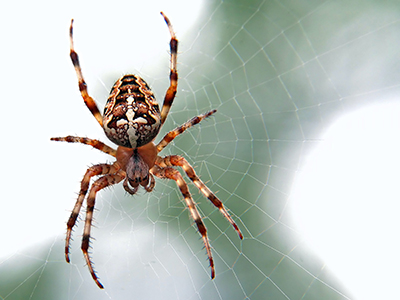
Finally, arthropods are very cool!
College of Agricultural, Consumer and Environmental Sciences (ACES)